
Strengthening Resident Access to Rehabilitation Through Education, Engagement, and Partnership
June 16, 2026 | General
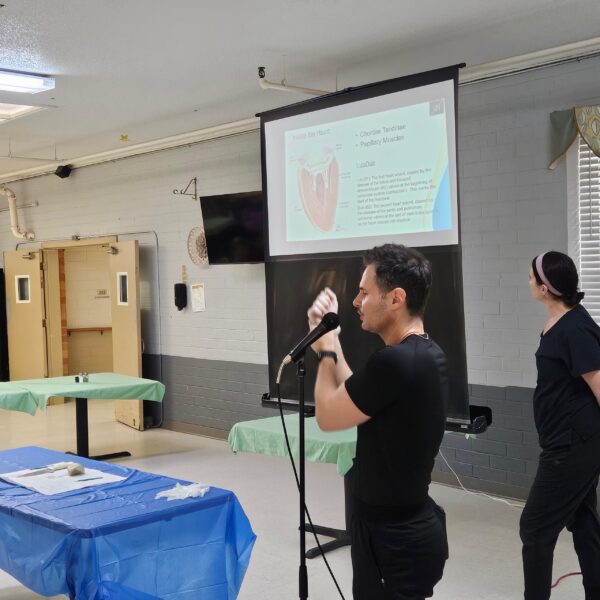 How Nexion Health and Reliant Rehabilitation Are Building Awareness, Advocacy, and Stronger Connections to Resident Care using RPCEA
At Nexion Health, in partnership with Reliant Rehabilitation, we continue to focus on proactive systems that support quality outcomes, survey readiness, staff education; resident engagement, advocacy and access; as well as consistent program execution across our facilities. One important part of that commitment is the Rehab Program Compliance & Education Audit, known as RPCEA.
RPCEA is more than a checklist. It is a structured annual compliance and education cycle designed to ensure rehab programs are implemented, understood, reinforced, and consistently executed at the facility level. Through this process, each facility has an organized opportunity to review key rehab program expectations, strengthen interdisciplinary awareness, and reinforce education with both staff and residents.
Why RPCEA Matters
Rehabilitation programs are most successful when they are visible, interdisciplinary, and well-integrated into the day-to-day operations of the facility. RPCEA supports that goal by helping teams stay connected to the “why” behind each program, the documentation that supports it, and the education needed to sustain it.
The RPCEA process promotes proactive readiness, not reactive correction. Rather than waiting until a concern arises, the monthly cadence allows facilities to build consistency over time through brief, focused education and follow-through.
This process strengthens:
Program compliance and risk mitigation
RPCEA supports routine review of rehab-related programs, alignment with expectations, and documentation that reflects staff understanding and program implementation.
Consistent staff and resident education
Monthly education reinforces key rehab topics in a manageable, repeatable format that fits into existing facility routines.
Active interdisciplinary engagement
Rehab outcomes are not achieved by one department alone. RPCEA encourages collaboration among therapy, nursing, administration, activities, and resident leadership.
Documentation and follow-through
The process reinforces the documentation, communication, and actions needed to demonstrate that programs are not only present, but actively functioning.
RPCEA as Part of the Rehab Scorecard Process
Nexion Health’s VP of Quality, Rehab and Wound Care Services, Tara Roberts, uses a Rehab Scorecard to standardize and raise the bar of Nexion Health’s outsourced rehabilitation services. RPCEA is included as part of the broader rehab scorecard process because it reflects the facility’s rehab department and services engagement in a structured, sustainable cycle of compliance, education, and interdisciplinary reinforcement.
Within the rehab scorecard, RPCEA provides visibility into whether key rehab programs are being reviewed, communicated, delivered and supported consistently across the facility. It helps leadership recognize strong follow-through, identify opportunities for support, and promote alignment between rehab operations and facility-level quality goals with resident care at the center of its efforts.
Rather than functioning as a stand-alone audit, RPCEA supports a larger culture of accountability, readiness, and program ownership. It provides a consistent way to track whether education is occurring, whether programs like dysphagia management, contracture management, seating and positioning programs are being reinforced, and whether rehab remains meaningfully connected to staff and resident engagement.
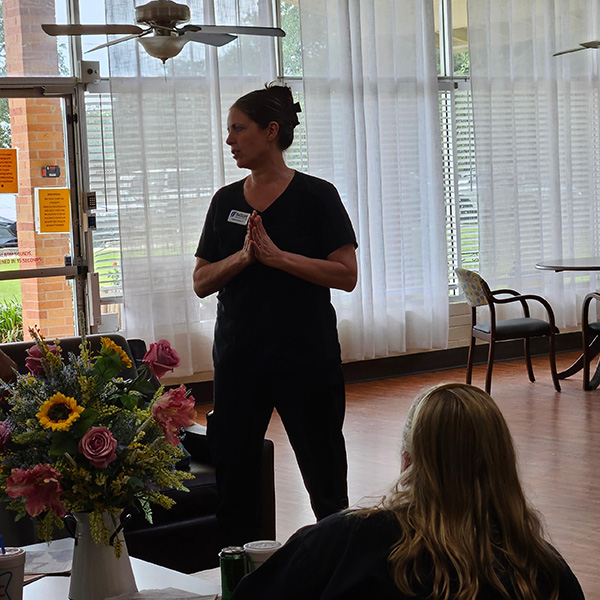
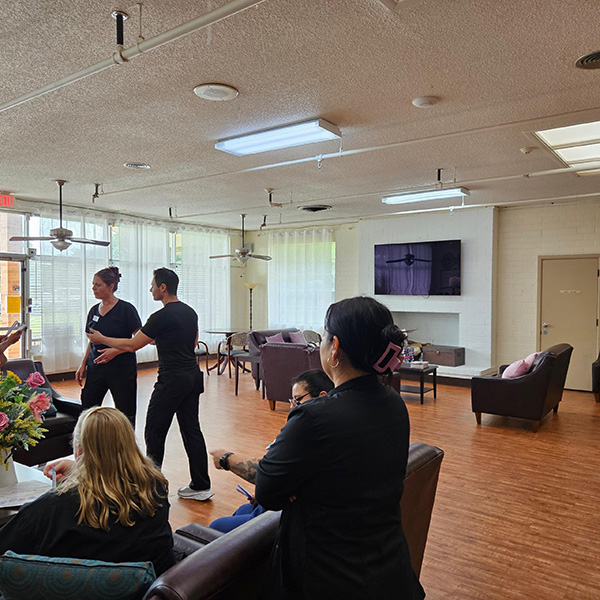
A Sustainable Process, Not a One-Time Audit
RPCEA is designed as an adoptable, sustainable process that supports ongoing readiness throughout the year. Its value comes from repetition, visibility, and integration into the normal rhythm of facility operations.
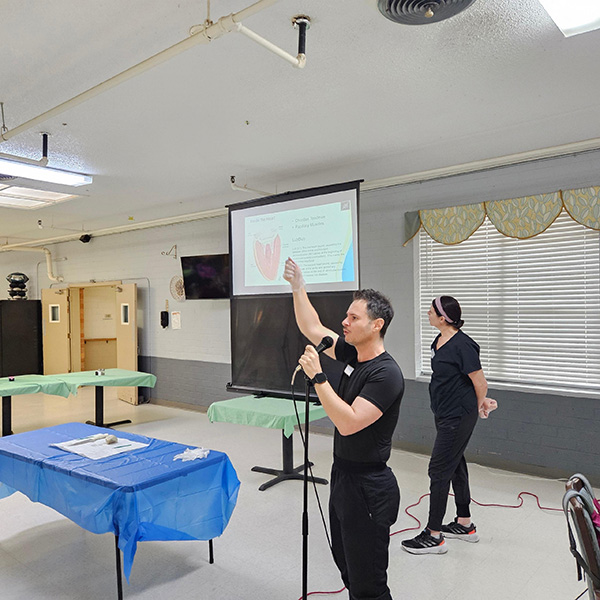
The monthly 5-minute RPCEA topic that relates to the monthly highlighted rehab program is incorporated into standing staff in-services and when invited, Resident Council meetings, creating a simple and realistic structure for continued education. These short education moments are practical, focused, and easy to repeat, making RPCEA a process that can be sustained without overwhelming facility teams.
Jessica, Director of Rehab at Cass Valley Healthcare Center, shared, “I utilize these topics during our monthly meetings where each department speaks; it has been helpful!”
That is exactly the intent of RPCEA. The process is not meant to create additional burden. It is meant to fit into the facility’s existing communication structure and give rehab a consistent voice in the broader interdisciplinary conversation.
Shanna Cantu, Reliant Regional Director of Operations, also noted, “I like the set schedule and resources. It helps everyone see how rehab can support the facility and its residents.”
This visibility matters. A consistent schedule and shared resources help position rehab as an active partner in facility operations, not a department working in isolation.
Strengthening Rehab-to-Staff-to-Resident Connections
One of the most important goals of RPCEA is to strengthen the connection between rehab programs, facility staff, and residents. When education is consistent, programs are understood, and follow-through is visible, facilities are better positioned to demonstrate the value of rehabilitation services.
The resident-facing education component is built into existing Resident Council meetings through collaboration with the Resident Council President. This approach reinforces resident engagement while helping residents better understand the purpose and value of rehab-related programs in their facility.
Stephanie, Director of Rehab at Lone Star Ranch Rehabilitation and Healthcare Center, shared, “Since education has initiated, residents ask more questions regarding DME and therapy services available to them!”
That is a meaningful outcome. When residents ask more questions, it shows increased awareness, engagement, and understanding. It also creates opportunities for rehab teams to educate residents on available services, equipment needs, safety strategies, and ways therapy can support independence and quality of life.
When residents understand rehab programs, they are more likely to recognize the role of therapy in maintaining function, preventing decline, supporting safety, and improving quality of life. When staff understand the programs, they are better prepared to support carryover, communicate observations, and reinforce resident-centered goals between therapy sessions.
This creates a stronger rehab-to-staff-to-resident relationship and supports the shared goal of improving resident outcomes.
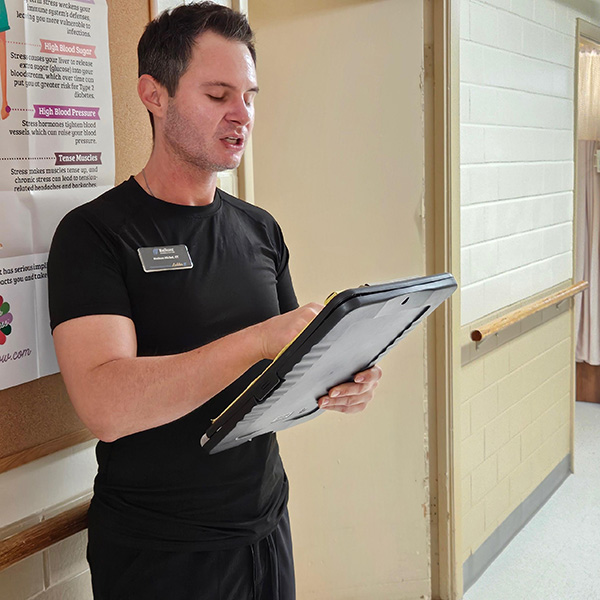
Education That Supports Safety, Function, and Quality of Care
The value of RPCEA is also reflected in how facilities use the monthly topics to reinforce practical areas that impact daily care.
Shanna Dalisa, Director of Rehab at Pierremont Healthcare Center noted:
“Monthly therapy in-services have focused on key areas that directly impact resident safety, function, and quality of care. These educational opportunities have strengthened staff and resident knowledge. As a result, staff and residents are better equipped to support safety, maximize independence, reduce risk, and identify opportunities for improved functional outcomes. Ongoing education continues to enhance the quality of care provided while fostering a culture of collaboration and clinical excellence.”
This is the larger purpose of RPCEA. The education is brief, but the impact can be meaningful when it is repeated, reinforced, and connected to real resident needs.
#NexionHealth #ReliantRehabilitation #RPCEA #RehabProgramCompliance #RehabEducation #PostAcuteCare #SkilledNursing #InterdisciplinaryCare #ResidentCenteredCare #RehabReadiness #TherapyServices #QualityImprovement #ClinicalExcellence #ResidentEngagement #TeamBasedCare #RehabToResidentConnection #SustainableSystems #HealthcareLeadership #SNFRehab #FunctionalOutcomes